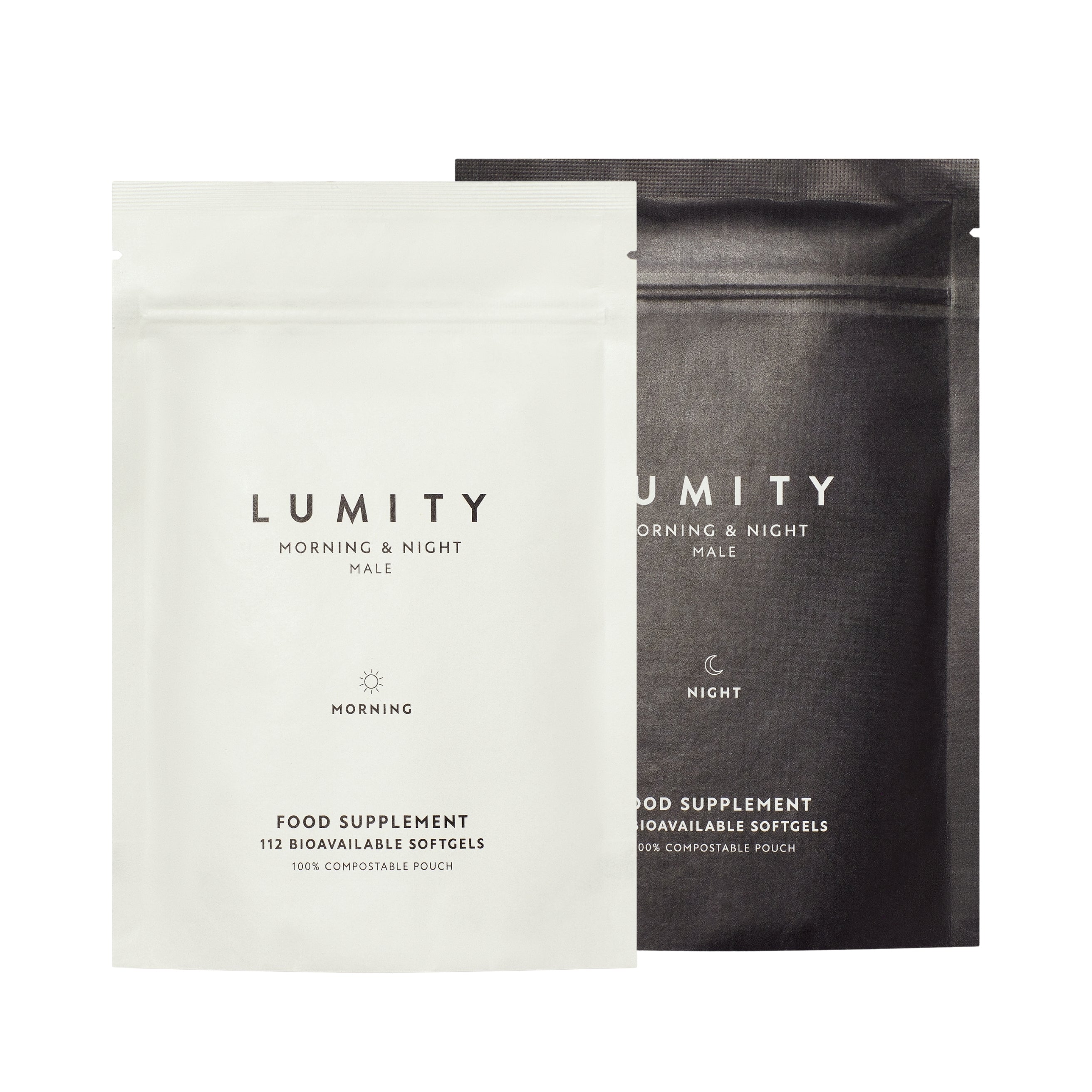
Health Savings Accounts (HSA) and Flexible Spending Accounts (FSA) are employer-linked programs that let you set aside a portion of your paycheck before taxes to spend on qualifying health expenses – things like doctor visits, prescriptions, and even certain wellness products.
The key word is pre-tax. Because the money in these accounts has never been taxed, every dollar goes further. On average, Americans pay around 30% of their income in state and federal taxes, so spending $100 of HSA or FSA funds is the equivalent of spending roughly $70 of regular after-tax income. The savings add up quickly.
The difference between the two:
An HSA is available if you're enrolled in a high-deductible health plan (HDHP). It's particularly flexible – the funds roll over year after year and can even be invested. In 2025, individuals can contribute up to $4,150 per year, or $8,300 for a family (with an additional $1,000 if you're 55 or older).
An FSA is more common and is available through a wider range of employer health plans. Individuals can contribute up to $3,200 per year, with an additional $500 in employer contributions allowed. One important distinction: FSA funds typically expire at the end of the year, so unused money doesn't roll over. If you have FSA funds left, using them before December 31st is a smart move.
Not sure whether you have one? Check with your HR department or your health insurance provider.