Skip to content

The 5 Daily Habits of High-Energy People

Ask any high-energy person how they do it, and you'll rarely hear about a secret biohacking routine, a punishing training schedule or a 4am alarm clock. What you'll hear, more often than not, is a description of unremarkable daily habits executed with quiet, unwavering consistency.

This is the paradox at the heart of sustained energy: the people who seem to have the most of it are rarely doing anything dramatic. They're simply doing the basics, but they're doing them every day.

Energy isn't a fixed resource you're born with or without – it’s a biological output, produced and regulated by systems that respond directly to how you live. Your circadian rhythm, your mitochondrial function, your sleep architecture, your nutritional status – these are all within your own control. And the daily habits that support them are, for the most part, surprisingly straightforward.

To help you make the most of your days, we’ve rounded up the top five habits  that consistently distinguish high-energy people from everyone else – from prioritising sleep to keeping consistent with our clinically proven Morning & Night supplement.

Woman's arms holding Morning & Night bottles with coffee

Habit 1. They Protect Their Sleep With the Same Seriousness as Their Work

How do you feel after a good night’s sleep? Chances are, your highest energy days are preceded by at least 8 hours of quality sleep. High-energy people are, almost universally, high-quality sleepers – not necessarily longer sleepers, but more consistent, with a deliberate sleep routine.

What distinguishes high-energy people isn't that they never have a bad night – it's that they've structured their lives to make bad nights less likely. Consistent wake times, even on weekends. Bedrooms kept cool (sleep experts recommend between 18–20°C) for optimal sleep architecture. Screens dimmed or eliminated in the hour before bed. Caffeine cut off by early afternoon.

A 2024 review published in PLoS One found that poor sleep quality is directly linked to reduced time management, lower work output and impaired executive function findings that reframe sleep not as passive recovery but as active performance input – in other words, your sleep is directly related to your energy level not just the next day, but over time. The energy you bring to your waking hours is built, largely, while you're tucked up in bed.

Paying attention to the circadian rhythm matters here, too. Going to bed, eating and waking at roughly the same times each day helps strengthen circadian rhythm and makes energy levels steadier – a finding that underscores a broader principle: consistency is the mechanism by which all good habits compound.

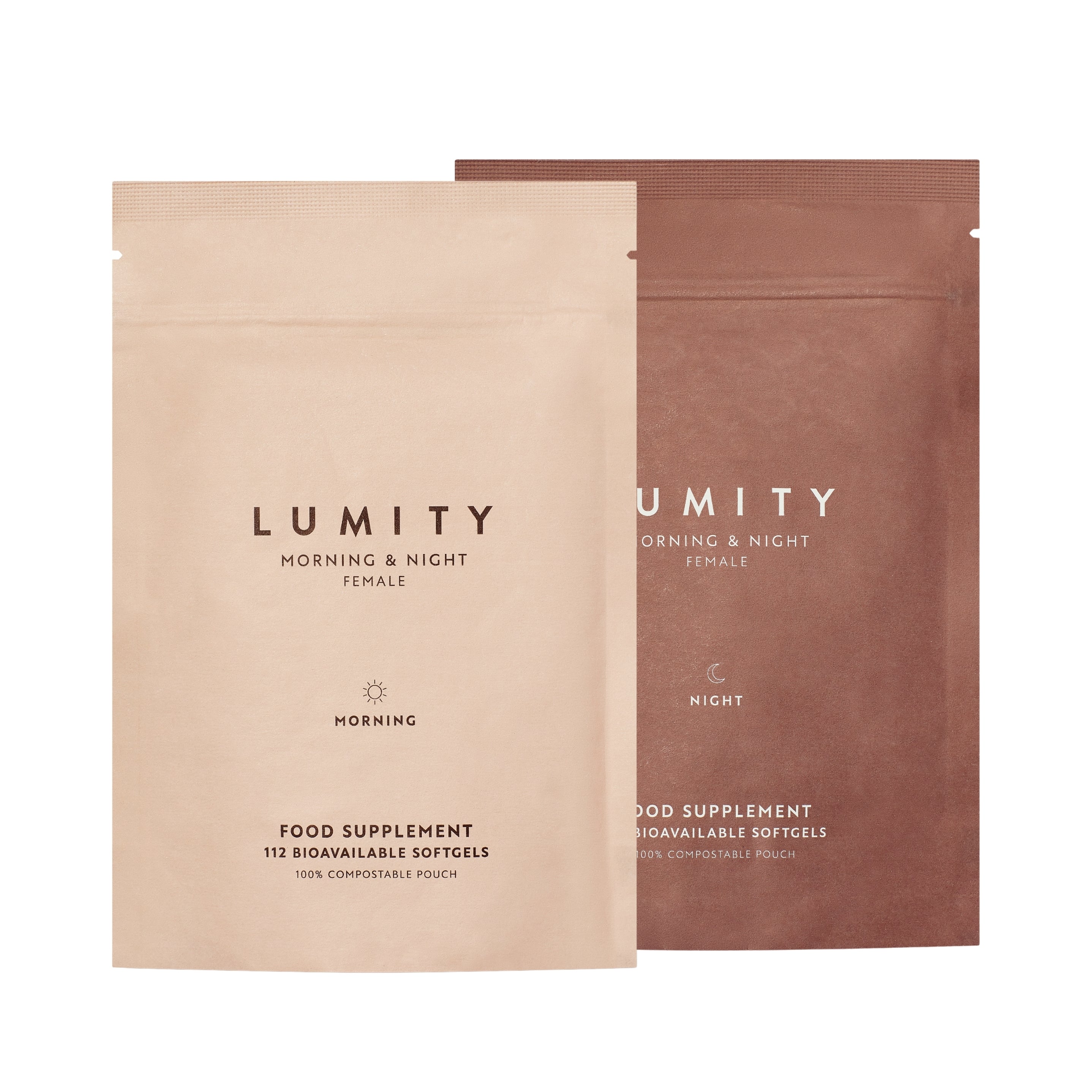
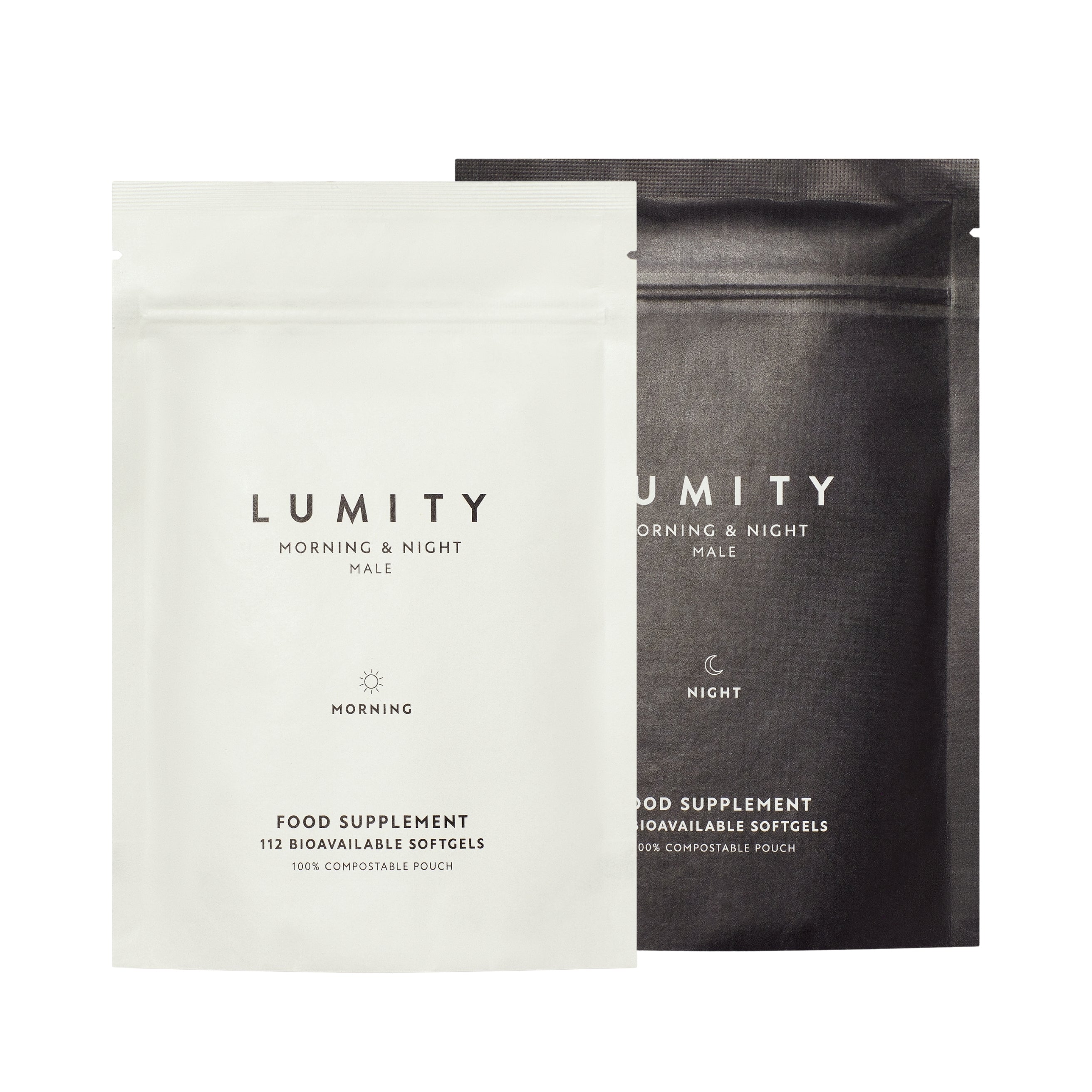
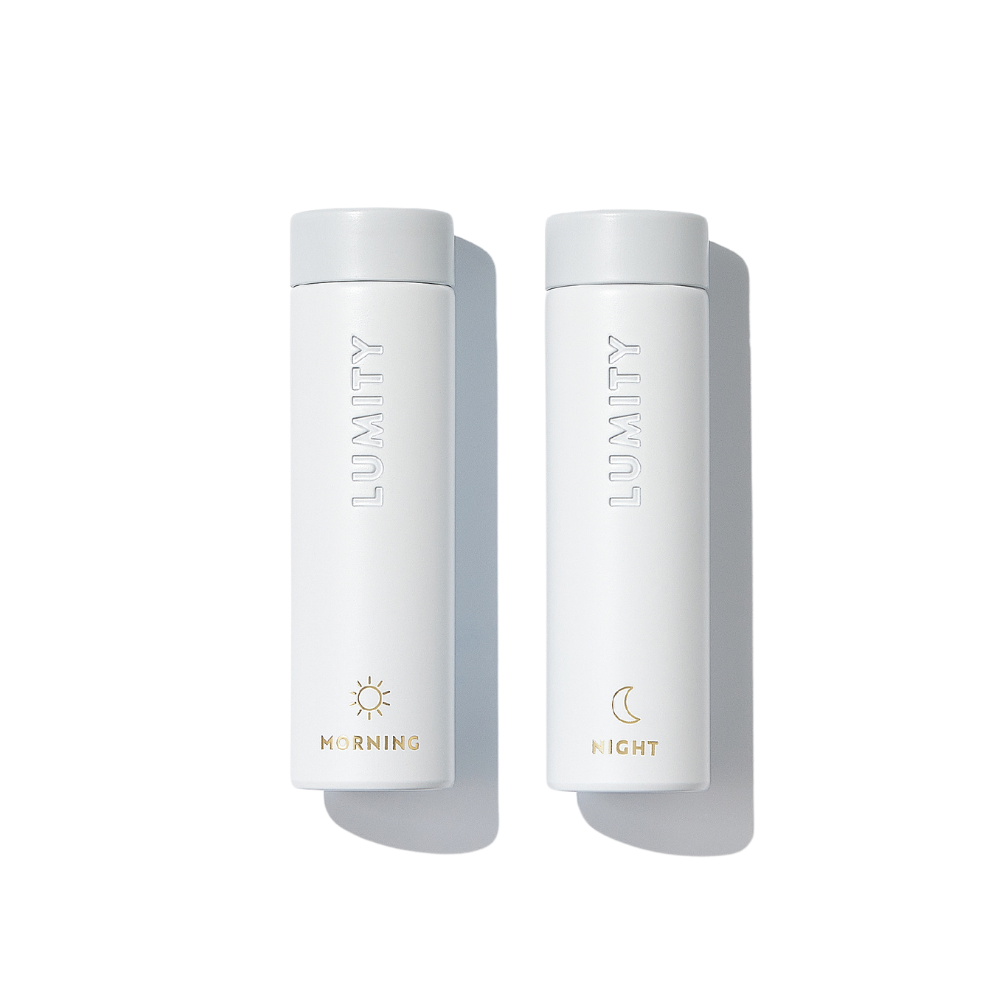
Our bestselling Morning & Night supplement was built with circadian rhythm in mind – the Morning dose delivers nutrients to optimise energy and resilience, while the Night dose supports sleep overnight recovery.

Habit 2. They Move (and They Move at the Right Time)

Whether attending a vigorous HIIT class or going for a brief walk around the block, high-energy people exercise. This fact is not a revelation – but what's more interesting is when they do it.

An umbrella review published in the British Journal of Sports Medicine in 2025 confirmed that regular exercise improves general cognition, memory and executive function in both healthy individuals and those with clinical conditions. But the timing of that exercise carries its own significance – morning exercise optimizes circadian rhythms, stabilizes cortisol and primes the brain for focused work later in the day. A systematic review examining exercise timing found that exercise stimulates circadian rhythm, including those of cortisol, melatonin and core body temperature, and meaningfully affects sleep quality – creating a positive feedback loop in which morning movement improves the sleep that restores the energy that makes tomorrow's movement possible.

The dose threshold is lower than most people assume. Just 150 minutes of moderate activity per week (roughly 20 minutes daily) is sufficient to produce meaningful improvements in energy, cognition and mood. High-energy people aren't necessarily spending hours in the gym. They're moving consistently, often outdoors and generally earlier in the day.

Close-up of a smiling woman with red hair holding an orange softgel between her teeth against a white background

Habit 3. They Eat in Alignment With Their Biology

Of course, the foods you choose matter – a rainbow bowl filled with lean protein, seasonal vegetables and seeds will sustain you more than a cupcake (though a cupcake certainly has its place!). But feeling good, keeping fit and staying healthy isn't only what you eat – it's about what you eat when, a concept known as chrononutrition.

Besides total energy intake and diet composition, the daily rhythms of eating patterns are an integral part of homeostasis, the body in its stable, balanced ‘happy place’. Unbalanced nutrition and irregular meal timing patterns (especially due to night shifts or social jet lag) are risk factors for circadian disruptions in physiological processes including metabolism, neurologic, immune, cardiovascular and endocrine functions.

In practical terms, this means high-energy people tend to front-load their nutrition. Protein-rich breakfasts stabilise blood glucose and support neurotransmitter production through the morning. Larger meals earlier in the day align with the body's peak insulin sensitivity and digestive efficiency. Lighter evening meals support the overnight transition into cellular repair and rest.

The foods themselves matter too. Omega-3 fatty acids support mitochondrial membrane integrity and reduce the systemic inflammation that drains energy. Complex carbohydrates provide sustained glucose without the spike-and-crash of refined alternatives. Adequate protein supplies the amino acids from which neurotransmitters – dopamine, serotonin, norepinephrine – are built. High-energy people eat in ways that sustain the chemistry of alertness and vitality, rather than demanding it from stimulants like caffeine and adrenaline.

Image showing Morning & Night supplement on table with pouches, drinks and cutlery

Habit 4. They Manage Stress as a Non-Negotiable

If you’ve ever felt like you needed a long nap after a stressful meeting or receiving bad news, you’re not alone – stress is perhaps the most underestimated energy drain. Not because it causes tiredness in any simple, linear way – but because chronic, unmanaged stress activates the hypothalamic-pituitary-adrenal (HPA) axis in ways that fundamentally disrupt the hormonal and neurological systems that govern energy production.

Elevated cortisol, sustained over time, depletes magnesium – a mineral essential for over 300 enzymatic reactions, including ATP production. It disrupts sleep architecture, compromises immune function and activates inflammatory pathways that further burden cellular energy systems. The person who is chronically stressed is, at a biological level, running on a system that's simultaneously consuming more energy and producing less of it.

High-energy people don't lead stress-free lives. What they've developed is a set of consistent practices that interrupt the cortisol cycle before it snowballs into something unmanageable. These range from the physiological (think regular exercise, consistent sleep, time in natural environments) to the psychological (holding boundaries, scheduled recovery time, deliberate transitions between demanding and restorative activities, etc).

Habit 5. They Choose the Right Foundational Supplement – and Take It Consistently

Take a look inside any high-energy person’s supplement cupboard, and you’ll likely find very little inside. They're not chasing trends. They're not maintaining elaborate supplement stacks assembled from shoddy research. They've identified a comprehensive, evidence-based nutritional foundation – and they take it without exception.

Lumity Morning & Night operates differently from most supplements on the market. Rather than addressing single nutrients in isolation, it delivers 28 biologist-selected vitamins, minerals, amino acids, adaptogens and omega-3 fatty acids in two precisely timed doses aligned with the body's circadian rhythm – a principle known as chrononutrition.

The Morning formula targets the body's active, energy-demanding phase: CoQ10 and acetyl-L-carnitine support mitochondrial ATP production directly; antioxidants including Vitamins C, E and selenium protect against the oxidative stress that depletes cellular energy; iodine supports thyroid function, which governs metabolic rate; and taurine supports the cardiovascular efficiency that underpins physical and cognitive stamina.

The Night formula supports the reparative phase: magnesium facilitates nervous system relaxation and supports the sleep architecture that restores energy reserves; amino acids including L-arginine and L-glutamine support the growth hormone activity and cellular repair that deep sleep enables; and additional flaxseed oil provides the omega-3 fatty acids that support mitochondrial membrane integrity overnight.

Don’t just take our word for it. Unlike most supplement brands that borrow existing studies on individual ingredients, we commissioned an independent, placebo-controlled, double-blind 12-week trial published in the Journal of Clinical and Aesthetic Dermatology. In our study, 84% of participants reported improved energy levels and immunity, 88% reported better sleep quality and alertness, and 84% reported improved emotional balance – the interconnected outcomes of a system that's genuinely, comprehensively supported.

High-energy people don't take supplements reactively, when they feel run down. They take them consistently, as foundational support for the cellular systems that energy depends upon. Morning & Night makes this straightforward: two capsules in the morning, two at night, delivering comprehensive nutritional support at exactly the moments the body can use it most.

Section image

Meet Your New High-Energy Hero

Morning & Night has been formulated to support your body on a cellular level, providing multi-system support.

With 28 biologist-selected Vitamins, Minerals, Amino Acids and Omega 3s, Morning & Night is clinically proven to support whole body health on a cellular level – noticeably improving skin, hair, nails, sleep, energy, immunity, mood and more after just a few weeks of use.

Author: Rachel Chalmers

Real Subscribers, Real Reviews

★★★★★

Morning & Night has had a positive impact on my energy levels and recovery after exercise

I really feel like the Morning & Night for Men supplements have had a positive impact on me... especially on energy levels, recovery after exercise and hair strength. All things that I want to improve the older I get.

Daniel - UK - TRUSTPILOT

★★★★★

I have had the energy to up my exercise routine

I have taken Morning & Night for nearly ten years now, beginning at age 50. I noticed first improvement in my sleep, followed by improved hair growth, hydration, skin clarity, and nail strength after a few months. As a result, my immune system seemed to improve. I also had the energy to up my exercise routine and have continued consistently with weekly strength and cardio training for ten years.

Catherine - UK - TRUSTPILOT

★★★★★

I'm now having an undisturbed sleep at night

It is never easy getting older, but I've found that taking Morning & Night has definitely given me more energy, my skin is starting to have a glow and most importantly, I am now having an undisturbed sleep at night.

ANGELA - UK - TRUSTPILOT

Everything You Need To Know About Lumity