What does empowerment mean to you? Do you think the aesthetic skincare industry gets it right, or is there still work to be done?
Empowerment for me as a doctor is having the knowledge and information to be able to make the right decision for yourself. We are entitled to do what we want to do with our lives, and our faces when it comes to aesthetic medicine – and ultimately my job as a doctor is to provide the right information to patients with regards to exactly what it is that they’re wanting to do, rather than suggesting what to do. This way, patients can make the decision for themselves as to whether they really go ahead with a treatment or not. I will guide when necessary, but I’m not somebody who will ever say, “you need this”.
Empowerment is giving our patients the power and the confidence to be able to say and do what they want to do. I think the aesthetic skincare industry is aware of empowerment and it is making small steps, but we can do better for sure.
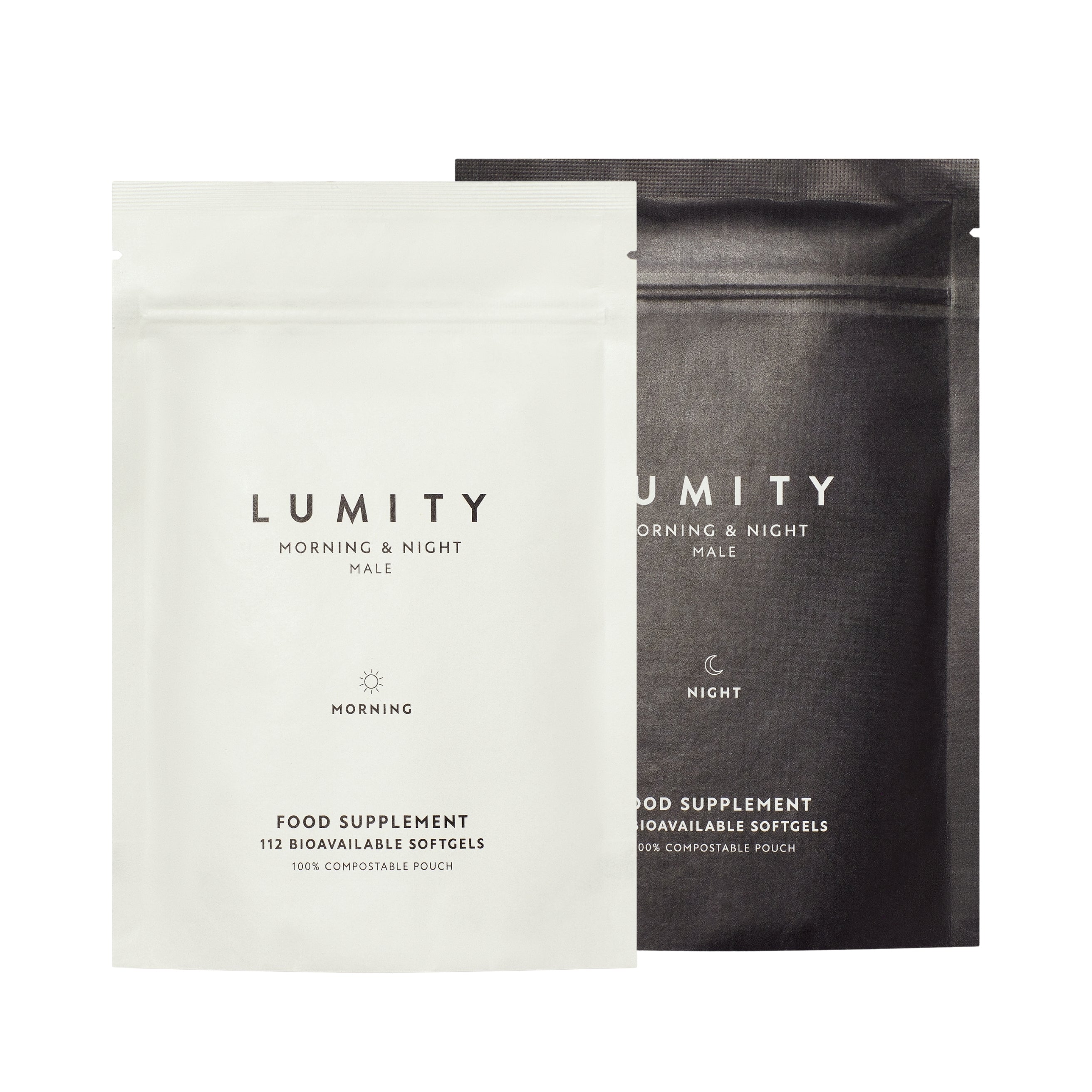
How does Morning & Night support your personal and professional goals? Which benefits have been the most transformative for you?
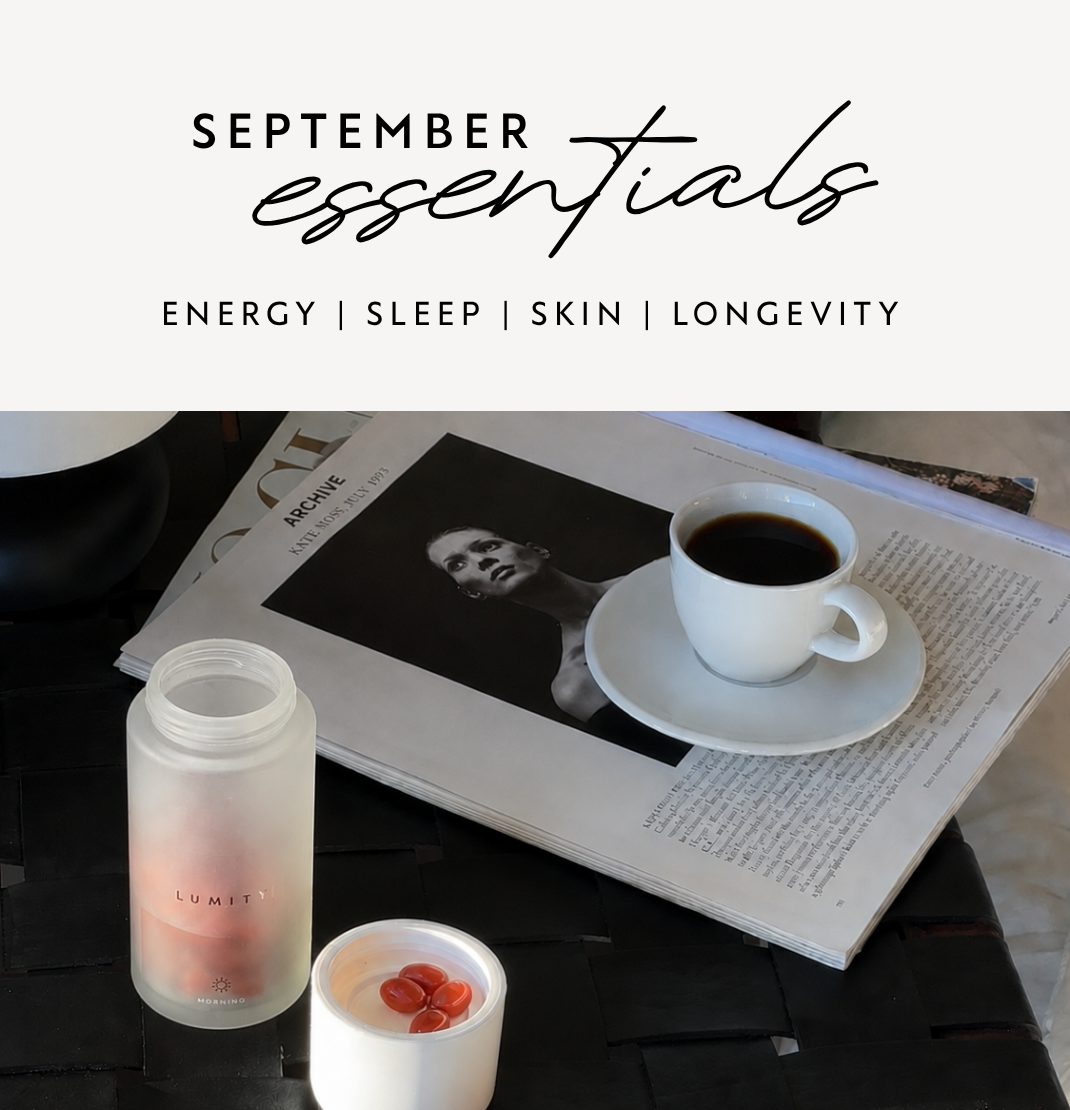
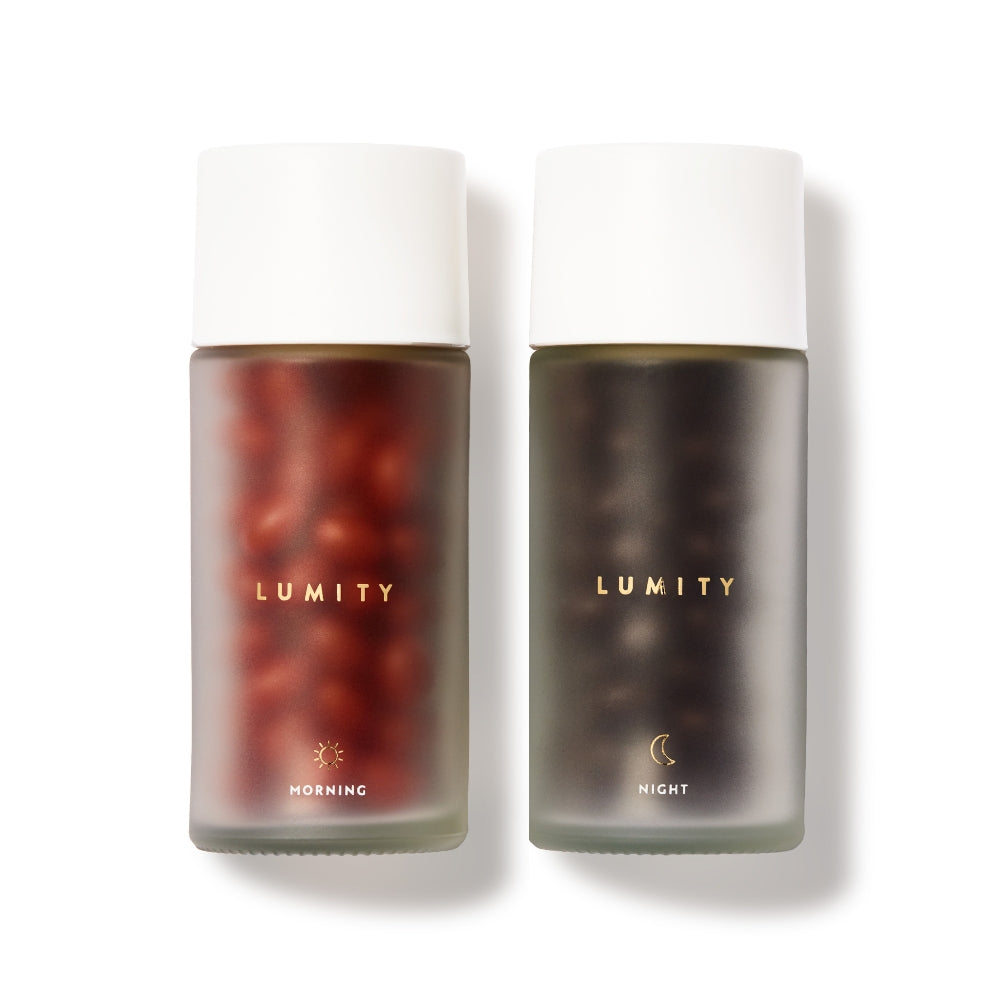
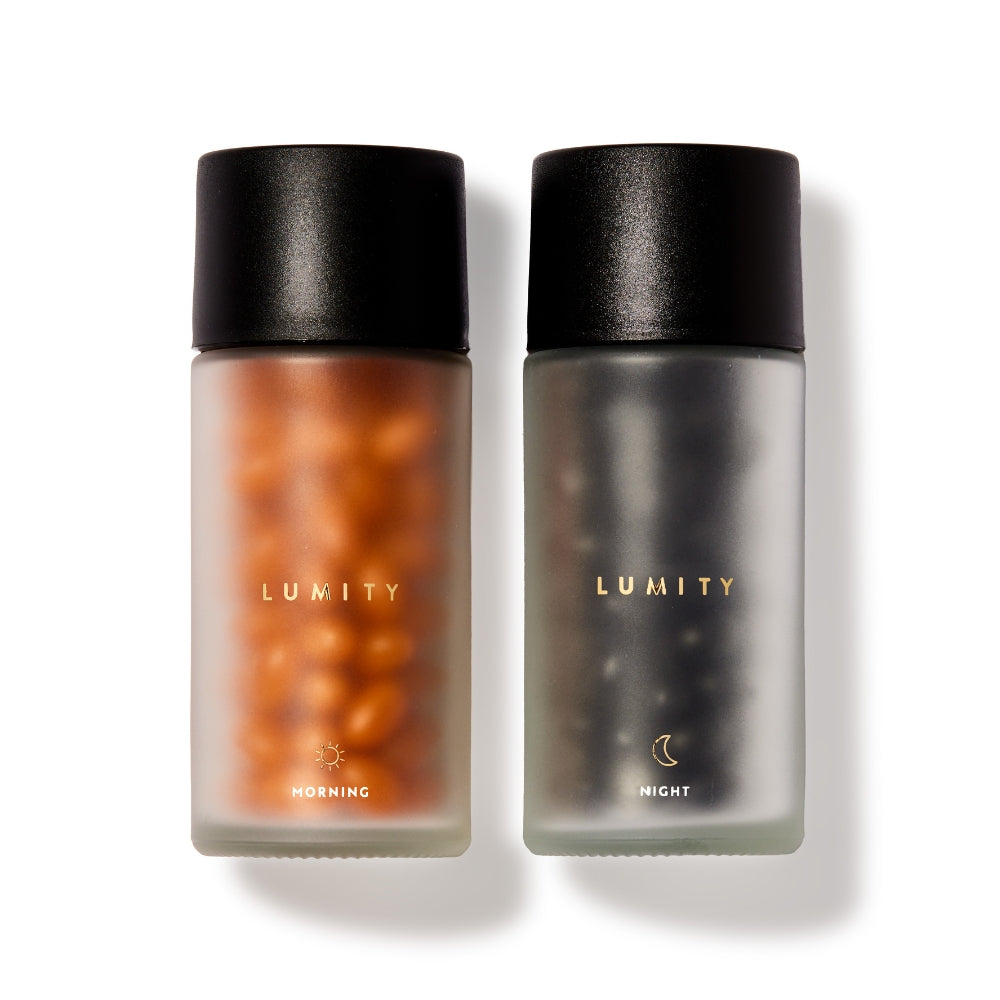
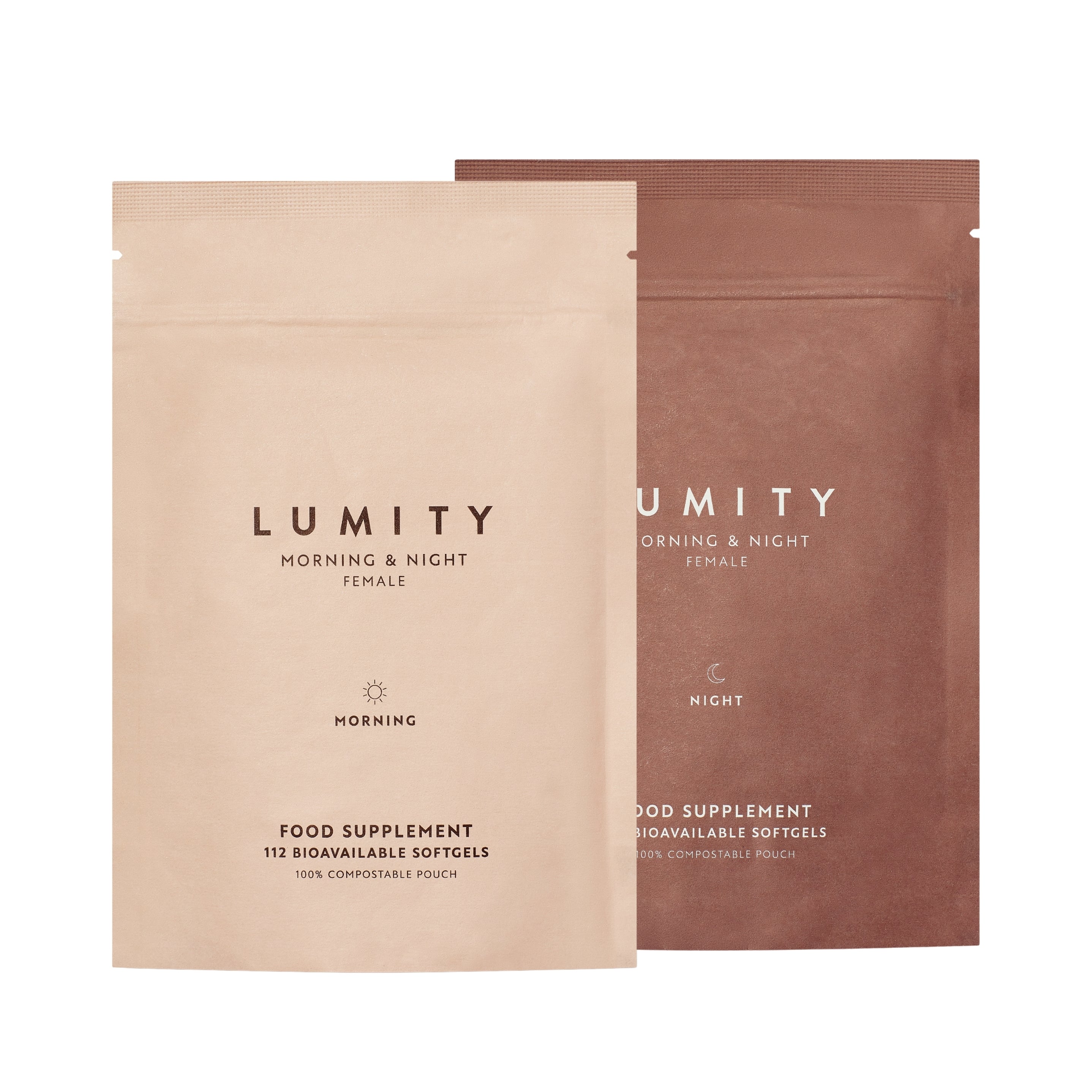
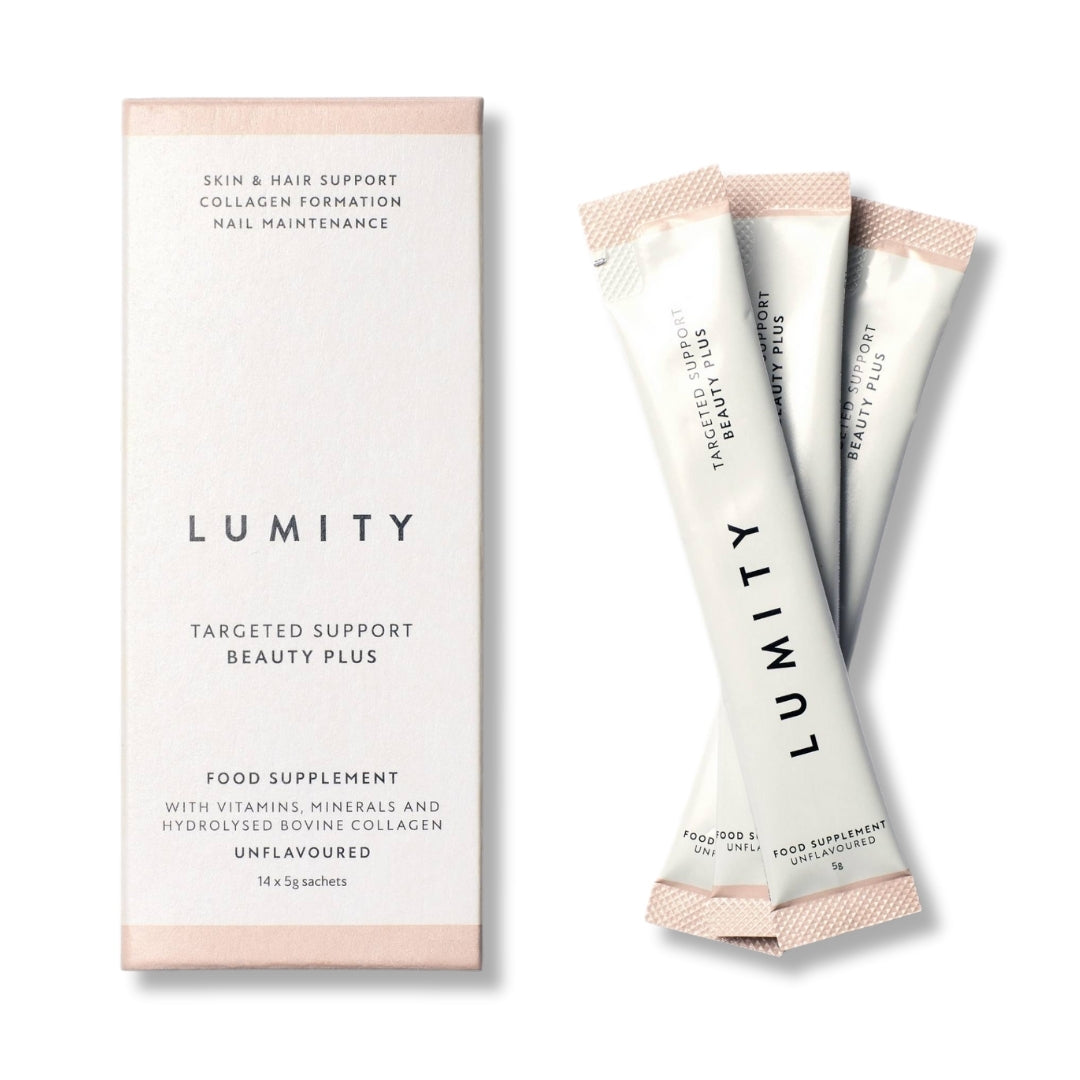
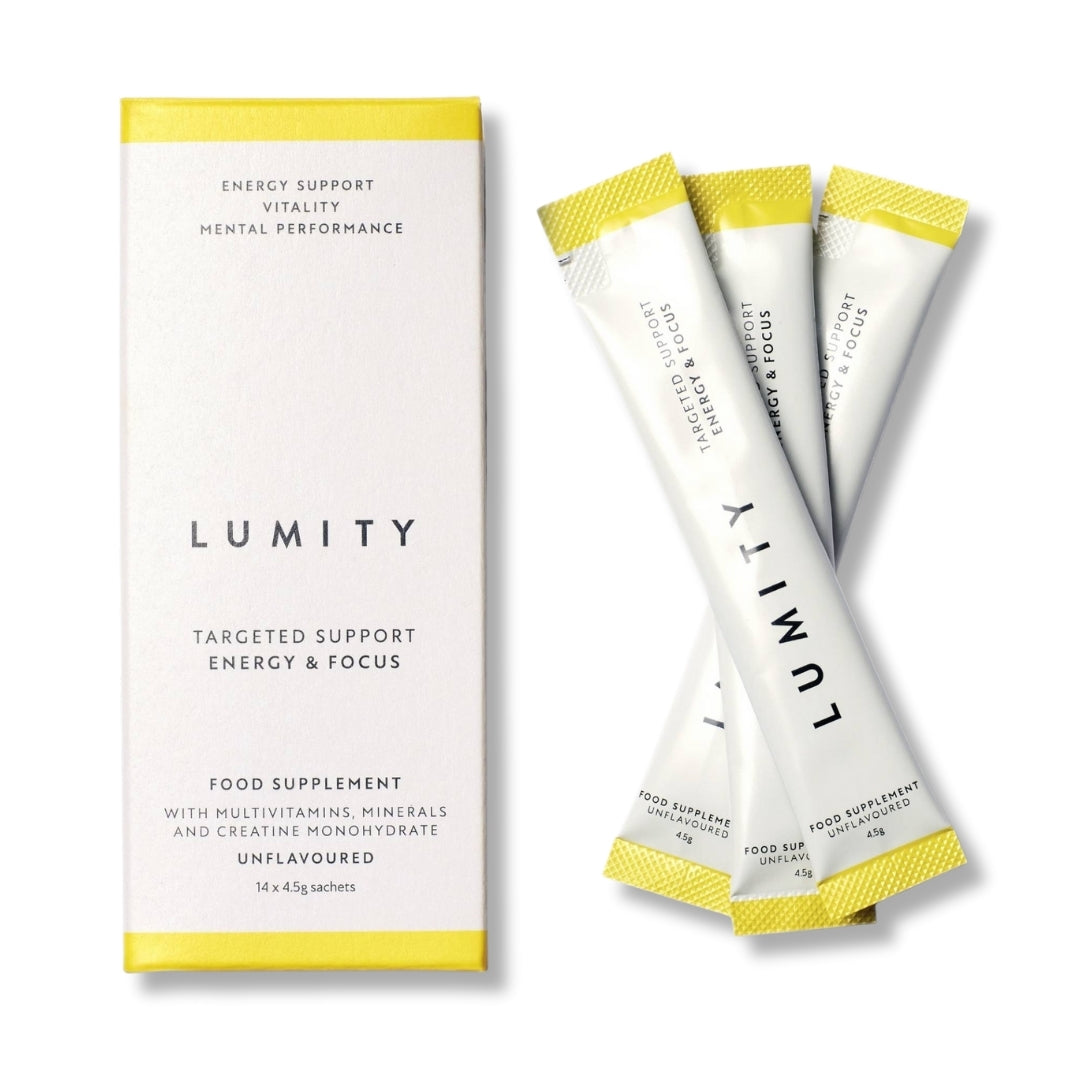
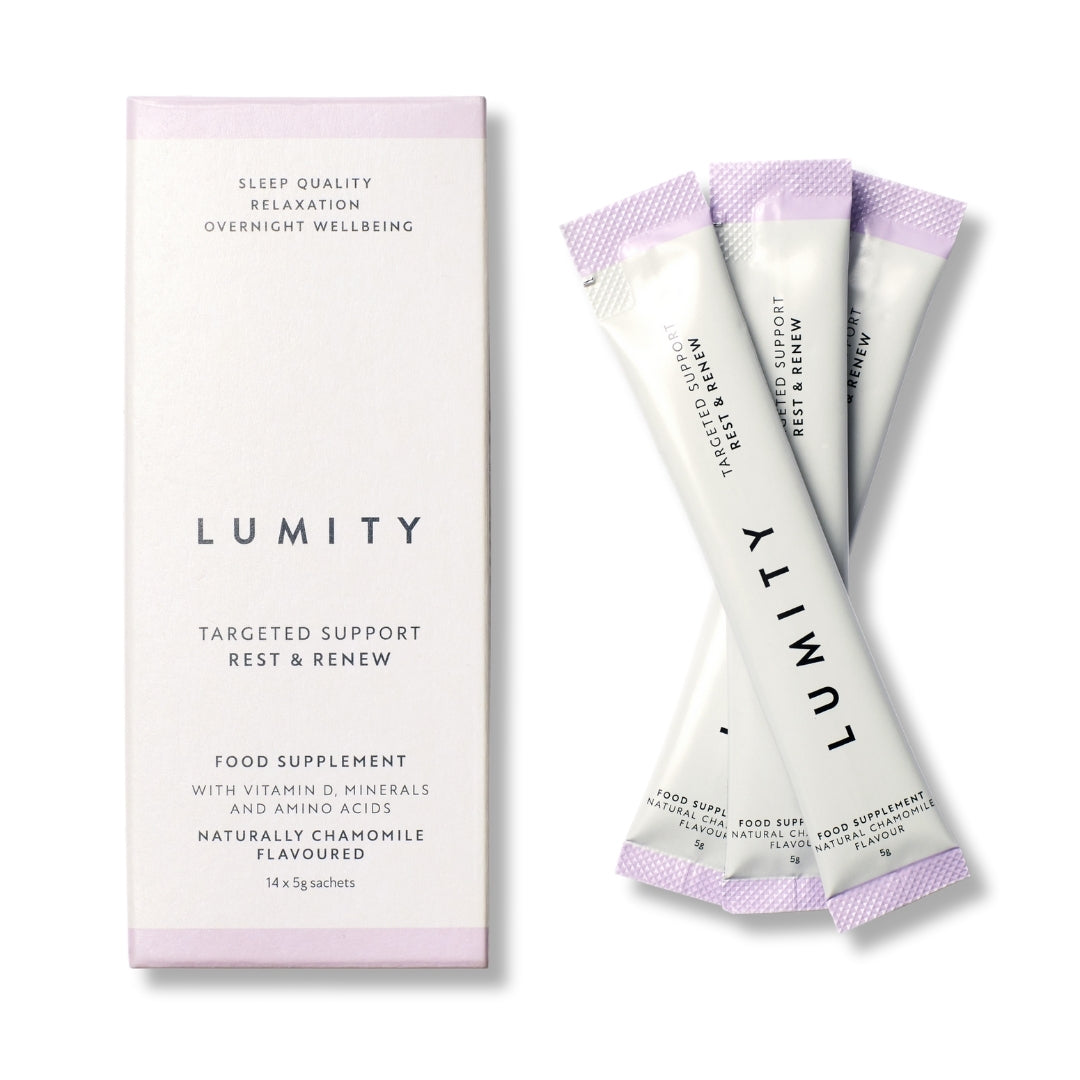
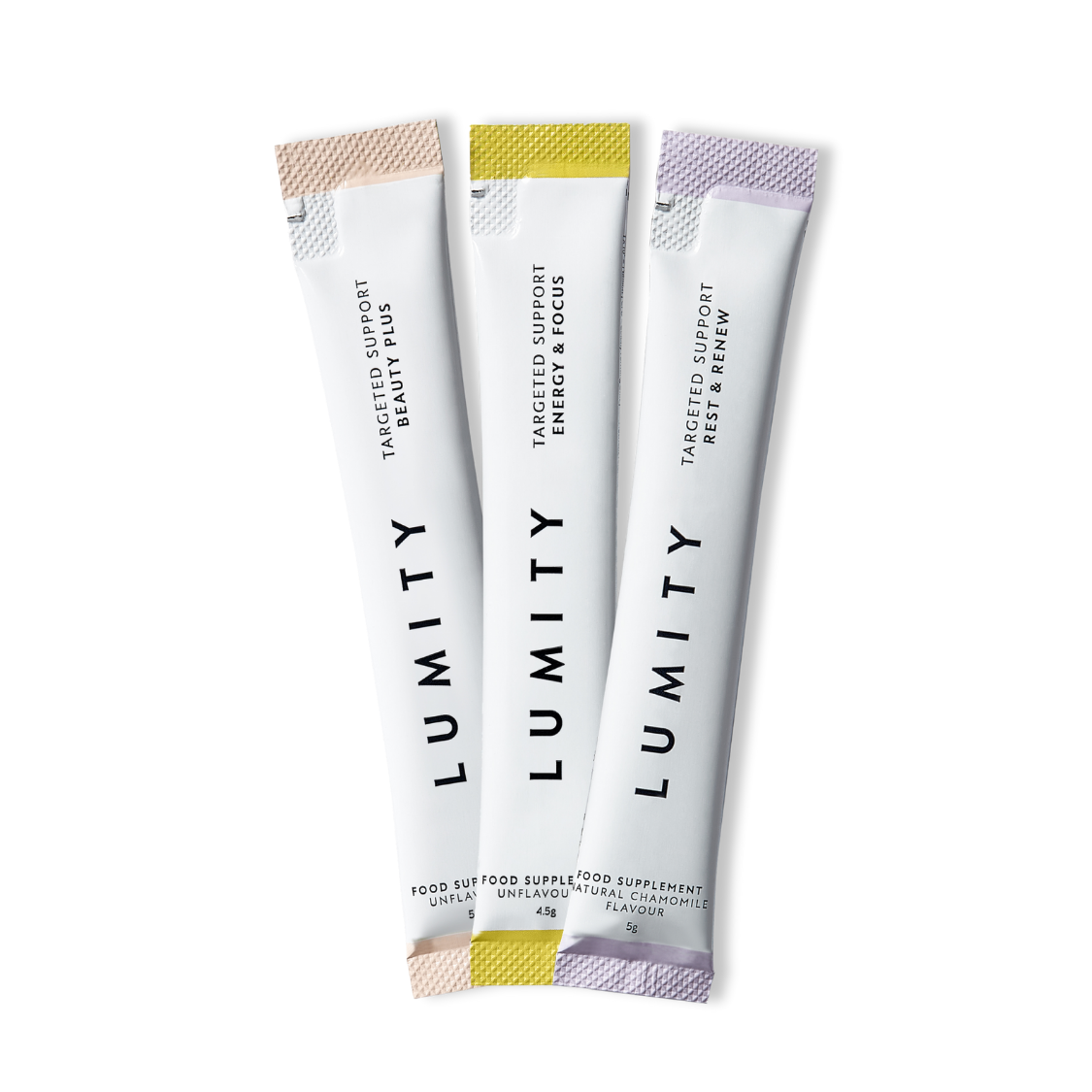
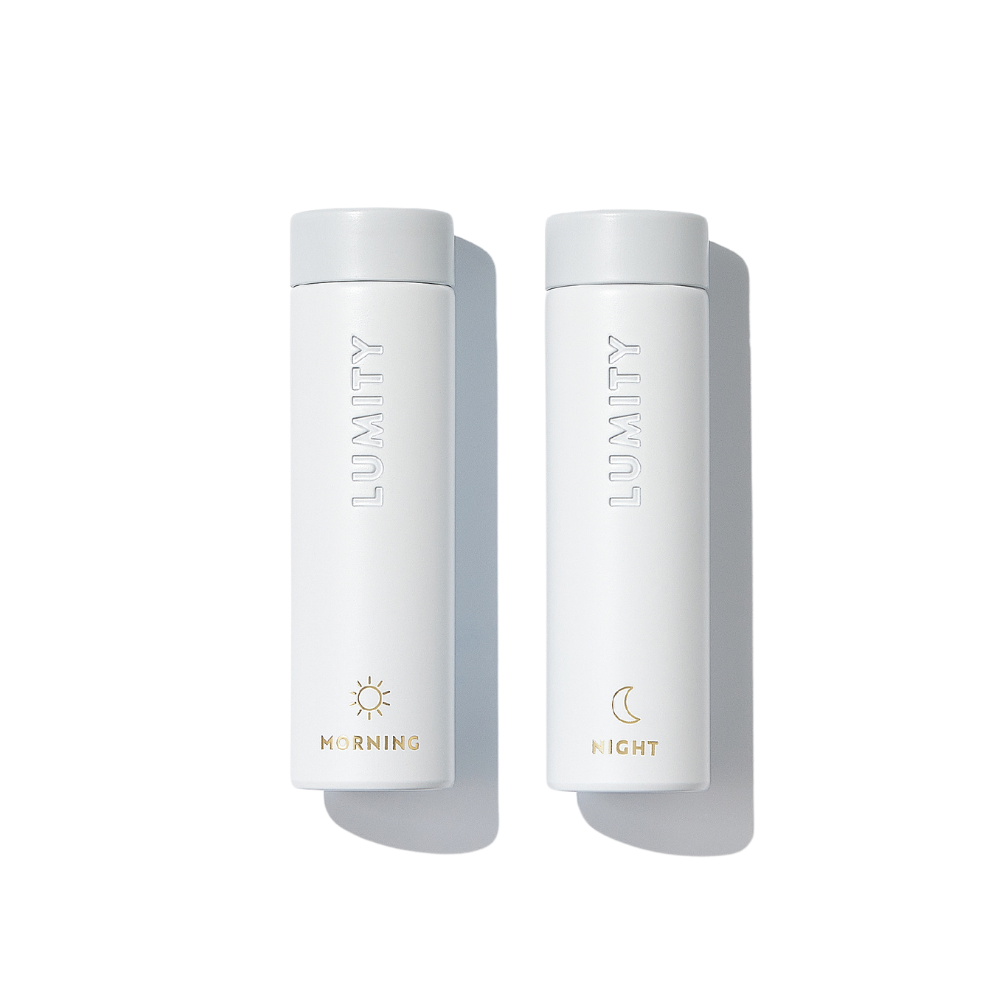
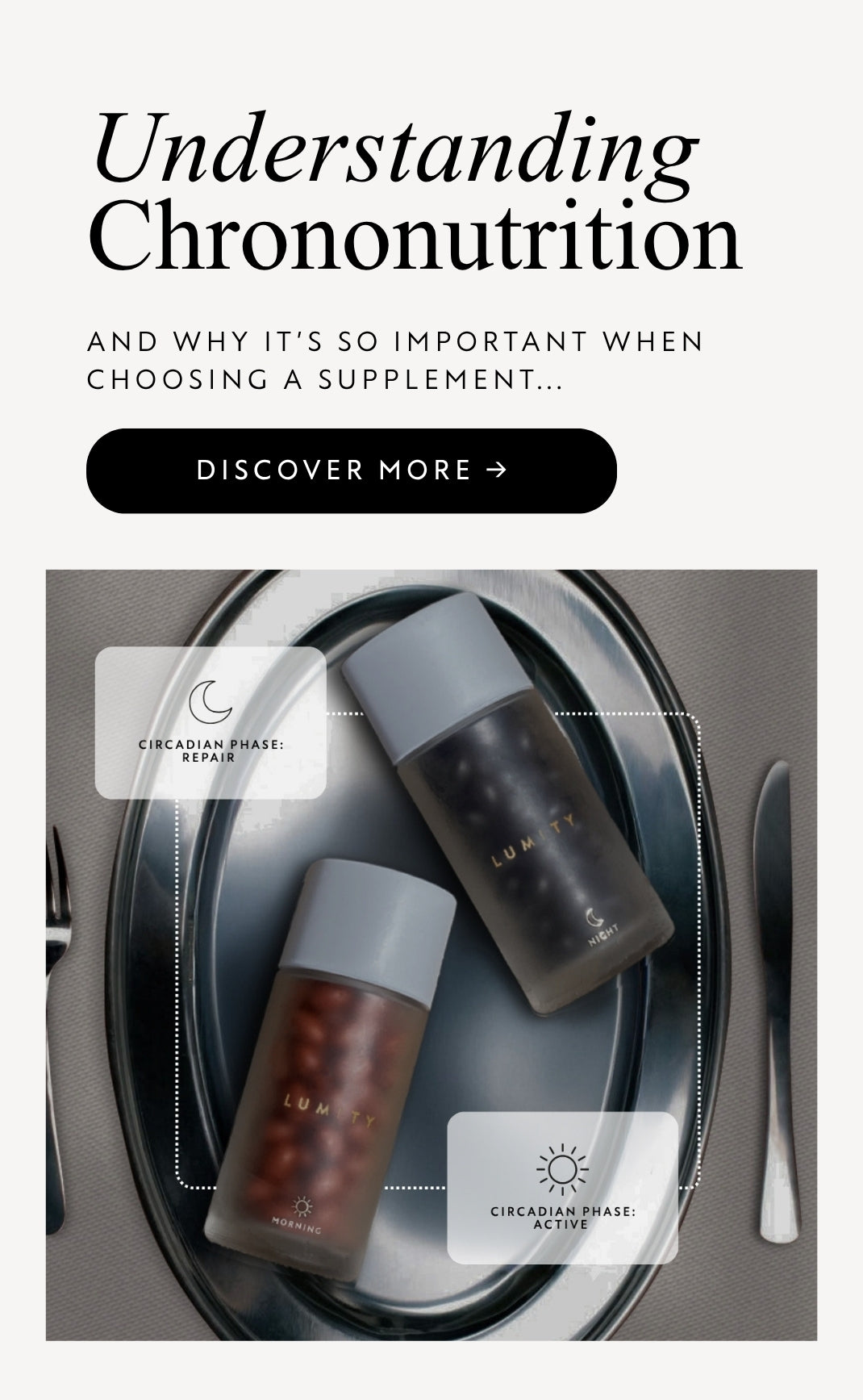
For me, having a supplement that you trust is key. It’s important to have something that can provide reassurance and work in the background, particularly when you’re very busy or when you have a stressful lifestyle. This way, you’ll know that even when you’re not eating healthfully or doing all the things we should be doing, at least you’re doing a little something that can help.
Your career bridges clinical medicine, Korean-influenced aesthetic practice and public education – what inspired you to pursue this blend of disciplines, and how has it shaped your approach to wellness?
I was brought up in a very scientific family and background – my mum is actually South Korean and I did pharmacy as my first degree and medicine as my second, so actually it all came together and blended perfectly. I have a strong interest in nutrition, in wellbeing, in K-beauty, in aesthetic medicine, and my career touches on each of them.
My family specifically worked five or six generations in the food science industry, so that also played a role. I think one thing that is difficult as a woman is perhaps trying to balance everything, and have a family, and trying to balance work life with family life, but perhaps that goes for everybody, not just women. I’ve been very lucky in the sense that I don’t feel that I've ever been disadvantaged by being female in my career, but I certainly know of colleagues who have, particularly in surgical fields – and that needs to change.
What role do mentorship and collaboration play in your professional life, especially for women entering medical or aesthetic careers?
My leadership style is to try and set a good example, to be supportive, and to be approachable and inclusive of everybody’s ideas. Ultimately, when I need to be a leader, generally speaking, the team is on side with you and the decisions I make are ones the team has already shaped together. We arrive at the answer collectively, and I simply carry it forward.
Can you share a moment in your career that you feel represents a breakthrough in how you connect with or support your community?
In medical aesthetics, as doctors, our words are very powerful – when we say something to a patient that may not mean very much to us, that patient will take that away and keep it with them. I remember being at an event once and someone said to me they “would do a great job if they did my Invisalign”, and it stuck with me. I had never looked at my teeth as an area I needed to fix before, but this became something I couldn’t unsee. Months later, I was doing Invisalign. So I’m careful to never do that to people in my own practice and I always choose my words carefully and intentionally.
It’s really important to identify the strengths in a person beyond just beauty. I always focus on the things that bother them, rather than making suggestions. When someone comes in and says,“what do you think you need”, from my point of view, it’s whatever bothers you, and we will focus on that. We’re not going to pick away at every single thing. This is something that we teach students and junior colleagues – it’s important to speak with sensitivity, particularly in aesthetic medicine.